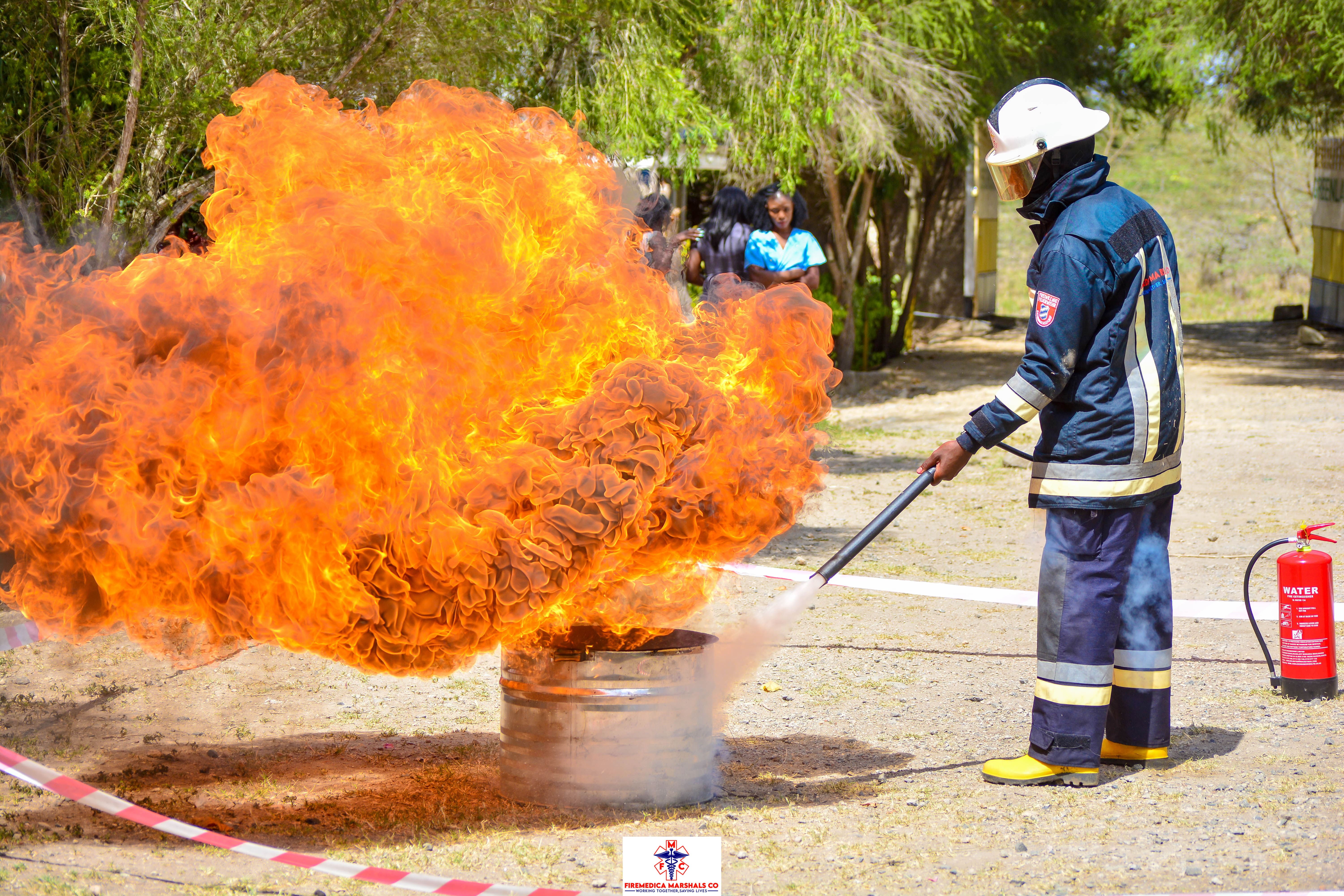
How to Handle Solar Fire Emergencies: A Safety and Response Guide
The best way to handle a solar fire is to prevent one from happening in the first place:
While solar energy systems are generally safe, reliable, and built to withstand harsh weather, electrical faults, component failures, or external fires can occasionally lead to emergencies. Knowing how to properly respond to a solar fire is critical for protecting lives, minimizing property damage, and ensuring the safety of emergency responders.
Understanding Solar Fire Risks
Unlike traditional electrical fires, solar photovoltaic (PV) systems present unique challenges. Even when the grid or main breaker is shut off, solar panels continue to generate electricity whenever daylight is present. This means wires and components can remain electrically live during daylight hours.
Common causes of solar-related fires include:
- DC Arc Faults: Loose connections, damaged wiring, or degraded insulation can cause electrical arcs, generating intense heat.
- Component Failures: Faulty inverters, poorly manufactured microinverters, or defective optimizers.
- Improper Installation: Undersized wiring, incorrect grounding, or failure to follow electrical codes.
- External Factors: Vegetation overgrowth, lightning strikes, or physical damage to rooftop arrays.
Step-by-Step Response Protocol
If you discover a fire involving or near a solar installation, follow these safety steps immediately:
- Prioritize Life and Safety
1. Evacuate the area immediately and keep bystanders at a safe distance.
2. Do not attempt to extinguish a live electrical fire unless you have proper training and the correct equipment.
Disconnect Power Sources
1. Turn off the main AC isolator switch to disconnect the inverter from the home or grid.
2. If accessible and safe to do so, turn off the DC isolator switch located near the inverter. Note: Wiring between the panels and the DC isolator remains live in daylight.
Alert Emergency Services
1. Call local emergency services immediately and inform the dispatcher that the building has a solar photovoltaic system installed.
2. Inform firefighters upon arrival about the presence of solar panels, DC cabling, and battery storage systems (if applicable).
Firefighting Best Practices
Avoid Water on Live Equipment: Standard water streams should not be used on live electrical components due to the risk of electric shock. Firefighters are trained to use specialized dry chemical or CO2 extinguishers for electrical components, or fog nozzles from a safe distance if water must be used.
Treat All Wires as Live: Never cut, touch, or tamper with solar cables, conduits, or panels during an emergency.
Wait for Clearance: Do not re-enter the building or approach the solar installation until utility personnel or certified technicians declare the system safe.
Preventive Measures
The best way to handle a solar fire is to prevent one from happening in the first place:
- Professional Installation: Always hire certified, experienced technicians to design and install your solar system.
- Regular Inspections: Schedule routine maintenance checks to inspect wiring, connections, inverters, and mounting hardware.
- Arc-Fault Circuit Interrupters (AFCIs): Ensure your inverter is equipped with built-in rapid shutdown and AFCI technology to detect and stop dangerous electrical arcs early.